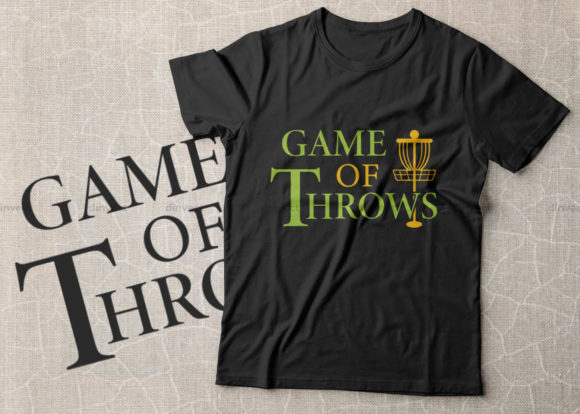
Game of Throws: A Fresh Graphic Design Asset for Modern Branding and Crafts
As a brand designer and content marketer, I recently reviewed the Game of Throws graphic design asset and found it to be a versatile tool for small business branding, visual storytelling, and creative marketing. It’s not just a set of illustrations—it’s a flexible design bundle that offers real value for content creators, digital sellers, and brand owners looking to elevate their visual communication.
First Impressions: Casual, Playful, and Visually Engaging
Upon downloading the package—which includes You will Receive.SVG DXF EPS PNG Files. And Also You’ll Get Separate SVG PNG Files For Each Design.—I was immediately struck by the clean, whimsical tone of the designs. The artwork feels casual yet intentional, with a hand-drawn aesthetic that leans toward modern crafts and lifestyle branding. It’s perfect for brands that want to appear approachable, creative, and slightly edgy without sacrificing professionalism.
From a brand perception standpoint, Game of Throws reads as fun and contemporary. It’s ideal for small businesses in the lifestyle, wellness, food, or seasonal product niches. The design’s visual tone suggests warmth and creativity, which can help build audience trust and emotional connection in content marketing and product presentation.
How Game of Throws Supports Real Marketing Projects
Let’s imagine a real-world scenario: a small business is launching a summer product line and wants to create a cohesive visual campaign across social media, packaging, and email marketing. Game of Throws could be the anchor of that campaign.
- Social media graphics: Use the SVG files to create Instagram stories, Facebook posts, and Pinterest pins that stand out with a consistent visual theme.
- Packaging inserts: The PNG files can be easily scaled and layered into product packaging, adding a branded touch to physical items.
- Email banners: Incorporate the asset into Canva templates for email campaigns that feel visually aligned with your brand identity.
- Digital ads: Pair the design with bold typography for Facebook or Google ads that catch attention without overwhelming the message.
It’s also a great fit for bloggers and content creators building editorial layouts or lead magnets. The design works well as a decorative brand element or as part of a larger content kit that supports visual storytelling.
Where Game of Throws Excels
This graphic design asset shines in marketing visuals that need a touch of personality without compromising clarity. Here are some top applications where Game of Throws delivers strong performance:
- Hero graphics: Ideal for website headers or landing pages that need a visual hook.
- Product launch visuals: Adds a playful, engaging element to new product announcements.
- Branded templates: Works well inside Canva or Photoshop templates for consistent, reusable content.
- Promotional banners: Great for limited-time offers, seasonal campaigns, or event promotions.
- Merchandise design: Can be used on stickers, tote bags, or greeting cards for small-batch product lines.
The design helps create a stronger first impression, improves visual hierarchy, and enhances brand recognition when used consistently across platforms.
Use with Caution: When Game of Throws Might Not Be the Best Fit
While Game of Throws is visually appealing, it may not be suitable for every brand or application. Here are a few situations where you should approach with care:
- Formal corporate branding: The casual tone may clash with high-end or corporate brand identities.
- Dense information layouts: Avoid using it in reports or data-heavy editorial design where clarity is key.
- Small mobile graphics: Details may get lost in smaller sizes, especially on social media thumbnails.
- Text-heavy ads: Can compete with copy if not balanced properly in the layout.
Always test the design in context before finalizing it in a live campaign or client deliverable.
Practical Designer Notes: Testing and Implementation Tips
Before fully integrating Game of Throws into your brand visuals, here are a few key steps I recommend taking:
- Test with your brand color palette: See how the design interacts with your primary and secondary brand colors.
- Check black and white usage: Ensure it still works in monochrome for print or accessibility purposes.
- Preview on mobile: Confirm it looks clean and recognizable on smaller screens.
- Pair with different fonts: Try it with serif, sans-serif, script, and display fonts to see what works best.
- Review spacing and balance: Don’t overcrowd the layout—let the design breathe.
- Confirm commercial licensing: Make sure you have the right to use the design in paid campaigns or client work.
These steps will help ensure the asset enhances your campaign rather than distracts from your message.
Why Game of Throws is a Strong Design Asset for Content Creators
For bloggers, social media managers, and digital sellers, Game of Throws offers a ready-to-use visual solution that supports content marketing and brand storytelling. It’s a modern design that fits well within the creative marketplace, especially for those who value handcrafted aesthetics and want to maintain a consistent visual identity across platforms.
Its versatility across SVG, PNG, EPS, and DXF formats makes it adaptable for both digital and print use. Whether you're designing a lead magnet, a Pinterest pin, or a packaging label, Game of Throws gives you the flexibility to create professional branding without starting from scratch.
Final Take: A Strategic Addition to Your Visual Toolkit
In summary, Game of Throws is more than just a decorative illustration—it’s a strategic design asset that can support a wide range of branding and marketing needs. It brings a playful, creative energy to visual content, helping small businesses and content creators stand out in a crowded digital space.
If you're launching a seasonal campaign, building a content kit, or refreshing your brand visuals, consider adding Game of Throws to your creative toolkit. Just remember to test it thoroughly, pair it thoughtfully with your brand elements, and always keep your audience’s perception in mind.